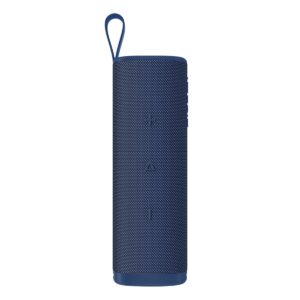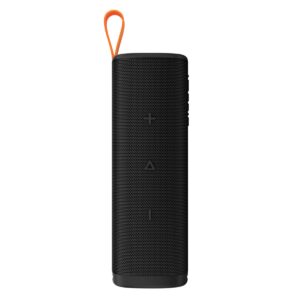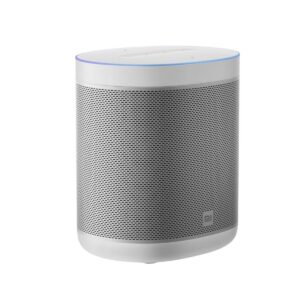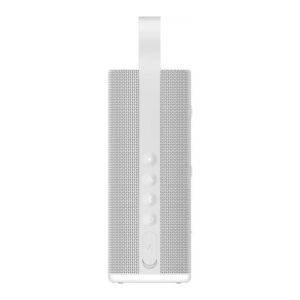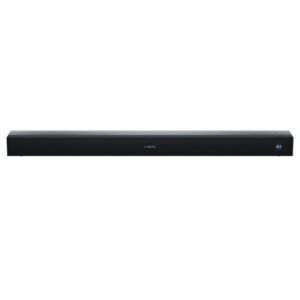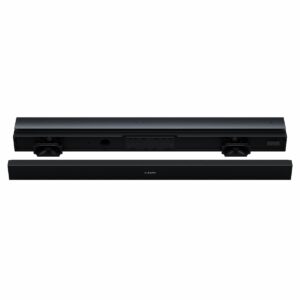
Speakers are transducers that convert electrical energy into sound energy, playing a crucial role in audio output for various devices.
Function and Purpose
Speakers are essential output devices used in various audio systems, including computers, home theaters, and portable devices. Their primary function is to produce sound that can be heard by listeners. They achieve this by converting electrical signals into sound waves, allowing users to enjoy music, movies, and other audio content.
Components of Speakers
Drivers: Speakers typically consist of multiple drivers, each designed to handle different frequency ranges. The main types of drivers include:
Woofers: Large drivers that produce low-frequency sounds (bass).
Tweeters: Smaller drivers that handle high-frequency sounds (treble).
Midrange Drivers: These produce sounds in the mid-frequency range, filling the gap between woofers and tweeters
Diaphragm: This is a vibrating membrane that moves air to create sound waves in response to electrical signals. The diaphragm’s movement is crucial for sound production
Crossover Circuit: This component divides the audio signal into different frequency bands, directing them to the appropriate drivers for optimal sound reproduction
Types of Speakers
Speakers can be classified based on various characteristics, including size, location, and connectivity. Some common types include:
Tower Speakers: Tall, floor-standing speakers often used in home theater systems, featuring multiple drivers for a full range of sound
Bookshelf Speakers: Compact speakers designed to fit on shelves or stands, suitable for smaller spaces while still delivering powerful sound
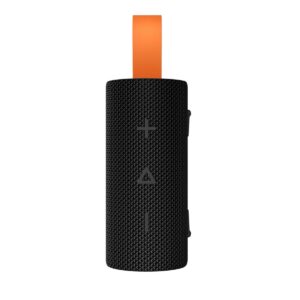
Portable Speakers: Lightweight and often battery-operated, these speakers are designed for on-the-go use, making them ideal for outdoor activities
Smart Speakers: These include voice assistants and streaming capabilities, integrating with smart home systems for added functionality
Specifications and Performance
When selecting speakers, several specifications are important to consider:
Frequency Response: The range of frequencies a speaker can reproduce, typically measured in Hertz (Hz)
Sound Pressure Level (SPL): A measure of how loud a speaker can get, usually expressed in decibels (dB)
Nominal Input Power: The amount of power a speaker requires to operate effectively
Impedance: The resistance a speaker offers to the electrical signal, which should match the amplifier’s output for optimal performance
Speakers
Showing all 15 resultsSorted by price: low to high
- Sale!

Xiaomi Sound Pocket 5W Ultra-Portable Wireless Speaker
Original price was: R516,35.R469,41Current price is: R469,41. Add to basket - Sale!
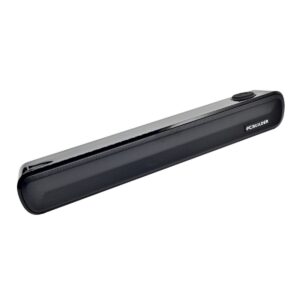
PCBuilder SONIC BOOM Bluetooth Gaming Speaker
Original price was: R562,35.R511,23Current price is: R511,23. Add to basket - Sale!
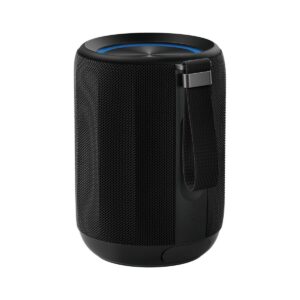
Xiaomi Bluetooth Speaker Mini, 6W, RGB, IP67, 11H Battery
Original price was: R1 033,85.R939,86Current price is: R939,86. Add to basket - Sale!
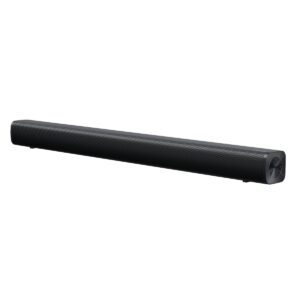
Xiaomi Soundbar 2.0ch
Original price was: R1 148,85.R1 044,41Current price is: R1 044,41. Add to basket - Sale!
Xiaomi Sound Outdoor 30W Portable Bluetooth Speaker – Blue
Original price was: R1 436,35.R1 305,77Current price is: R1 305,77. Add to basket - Sale!
Xiaomi Sound Outdoor 30W Portable Bluetooth Speaker – Black
Original price was: R1 436,35.R1 305,77Current price is: R1 305,77. Add to basket - Sale!
Xiaomi Smart Speaker
Original price was: R1 436,35.R1 305,77Current price is: R1 305,77. Add to basket - Sale!
Xiaomi Sound Play Speaker 18W – White
Original price was: R1 493,85.R1 358,05Current price is: R1 358,05. Add to basket - Sale!
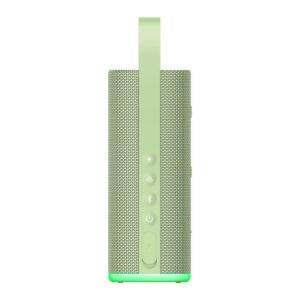
Xiaomi Sound Play Speaker 18W – Green
Original price was: R1 493,85.R1 358,05Current price is: R1 358,05. Add to basket - Sale!
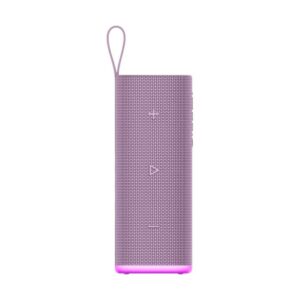
Xiaomi Sound Play Bluetooth Speaker – Purple
Original price was: R1 493,85.R1 358,05Current price is: R1 358,05. Add to basket - Sale!
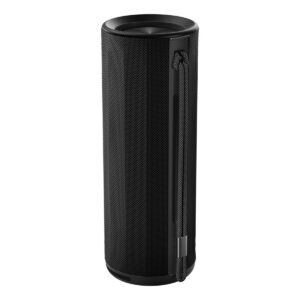
Xiaomi Sound Play Speaker 18W – Black
Original price was: R1 493,85.R1 358,05Current price is: R1 358,05. Add to basket - Sale!
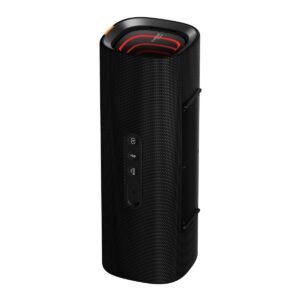
Xiaomi Bluetooth Speaker 40W – Black
Original price was: R2 068,85.R1 880,77Current price is: R1 880,77. Add to basket - Sale!
Xiaomi Sound Party 50W Bluetooth Speaker – Black
Original price was: R2 873,85.R2 612,59Current price is: R2 612,59. Add to basket - Sale!
Xiaomi Soundbar Pro 2.0 Dolby Audio Bluetooth – Black
Original price was: R3 218,85.R2 926,23Current price is: R2 926,23. Add to basket - Sale!
Xiaomi Soundbar Pro 2.1ch with Dolby Audio Wireless Subwoofer – Black
Original price was: R5 863,85.R5 330,77Current price is: R5 330,77. Add to basket